
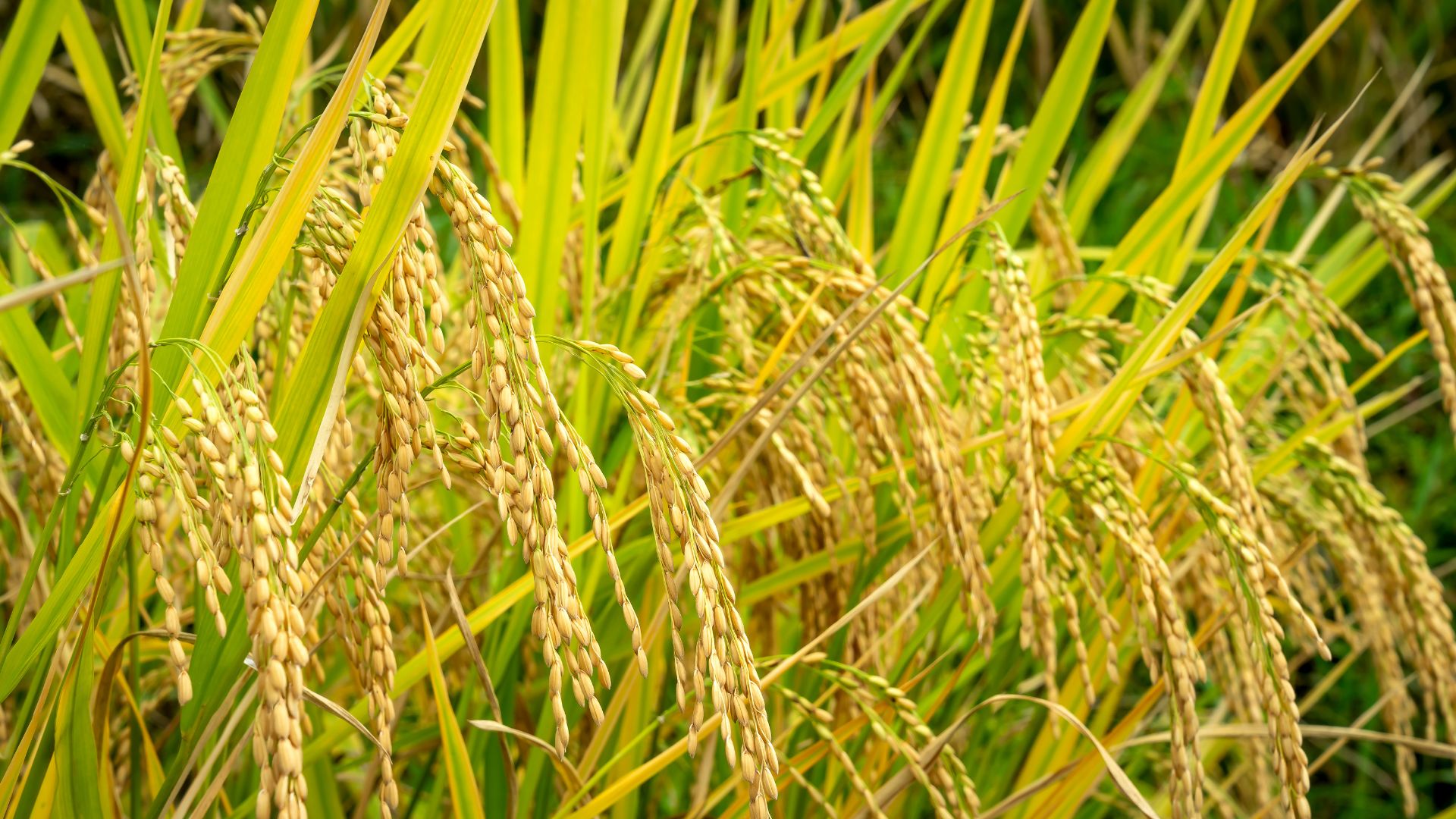
After a few isolated showers in the first week of June, the South-West monsoon played truant till it restarted raining on 22 June, and then it poured for two weeks. Again, from the second week of July, there is a lull with nothing more than an occasional drizzle that does not qualify to be called ‘rain’, whether one uses the 4 mm benchmark or even the one-tenth of an inch (2.5 mm) in the rain gauge.
The Directorate of Agriculture has advised farmers to provide protective irrigation, but there is absolutely no request to the Water Resources Department (WRD) to release water through the Tillari, Salaulim and Paroda irrigation canals to the rice fields. It works on gravity flow and can be done easily if there is a will.
NEED OF THE HOUR
The Zonal Agriculture Officers (ZAOs) in each taluka have been instructed to check the status of transplanting as well as broadcast sowing of rice and rice nurseries in their jurisdiction. Where there is pond, or well water available, farmers will use the facility because it is their crop and their livelihood. It is also a good time to use phosphate and potash solubilising bacteria and fungi (available as Shakti and other formulations in Goa) along with compost instead of using chemical fertilisers.
The Government of Goa has promised compensation under the Xetkar Nidhi Scheme that involves a whole lot of procedure and can be used by the ruling party to garner votes at the coming elections in the hope of getting the compensation. Not all farmers receive the money, as watermelon farmers in Verna discovered after rind worm affected fruits in 2020. It was a dead issue by the election of 2022. They never saw the money that was promised. Will it be different now? Only time can answer.
RICE IN TIMES OF DROUGHT
Climate change is a reality, whether one accepts it or not. It is time to look for alternatives. There are some extremely short duration rice varieties like the Aruvatham Kuruvai and its name itself means ‘sixty days rice’ in Tamil, as does Satthi, a variant of Basmati-1509 of North India, which needs to be researched for cultivation in Goa. The short duration rice variety that is popular in Goa is Jyothi. It matures in about 110-120 days which is almost double that of these varieties.
There is a need to study the history of crops in Goa and rediscover the once familiar crops that are, or can be made, drought tolerant. A book on millets, published by Green Heritage Eco Club of SFX School, Siolim, during the International Year of Millets 2023, explains all about creating drought tolerance in the crops.
Finger millet or nachnne seeds are soaked with one litre water per kg seed for 18 hours, or tied in cloth after six hours soaking. When the seeds sprout, they are spread on a mat or cloth to dry in shade for a day (24 hours) before sowing. This helps the crop withstand water stress during dry spells which are not uncommon in the monsoon season, especially in drought years. We need to be prepared for the future, which is already here with climate change.
Comments (0)
Please login to post a comment.
No comments yet. Be the first to comment!