
The tremors of the conflict in West Asia have had a resonating effect on the lives of millions across the globe, evolving from a regional security concern into a systemic tremor that has induced a state of permanent volatility in global energy markets and supply chains.
The Union Finance Minister was more than categoric in stating that the current year is more challenging as the country moves from a ‘landscape of shocks’ to one of ‘permanent volatility’.
Shocks of this magnitude are usually felt at the bottom of the rung. That is to say that while the crisis may be global in scope, its deepest, most damaging impacts are concentrated on the most vulnerable populations.
According to the World Health Organization (WHO), migrants in an irregular situation, low-skilled workers, and those forced to move due to conflict or environmental crises are generally the most socio-economically affected, often facing severe exploitation, marginalisation, and lack of access to basic services.
The COVID-19 pandemic served as a profound, global-scale stress test that validated several critical, pre-existing, or emerging hypotheses regarding modern society.
According to BBC reports, the on-going war in the Middle East has created a nightmare scenario where migrant workers must choose between taking the risk of remaining in the combat zone for higher wages or returning home to unemployment.
The situation in Goa is however critical, with employers in the hospitality and industrial sectors facing severe labour shortages due to a ‘nightmarish’ exodus of migrant workers.
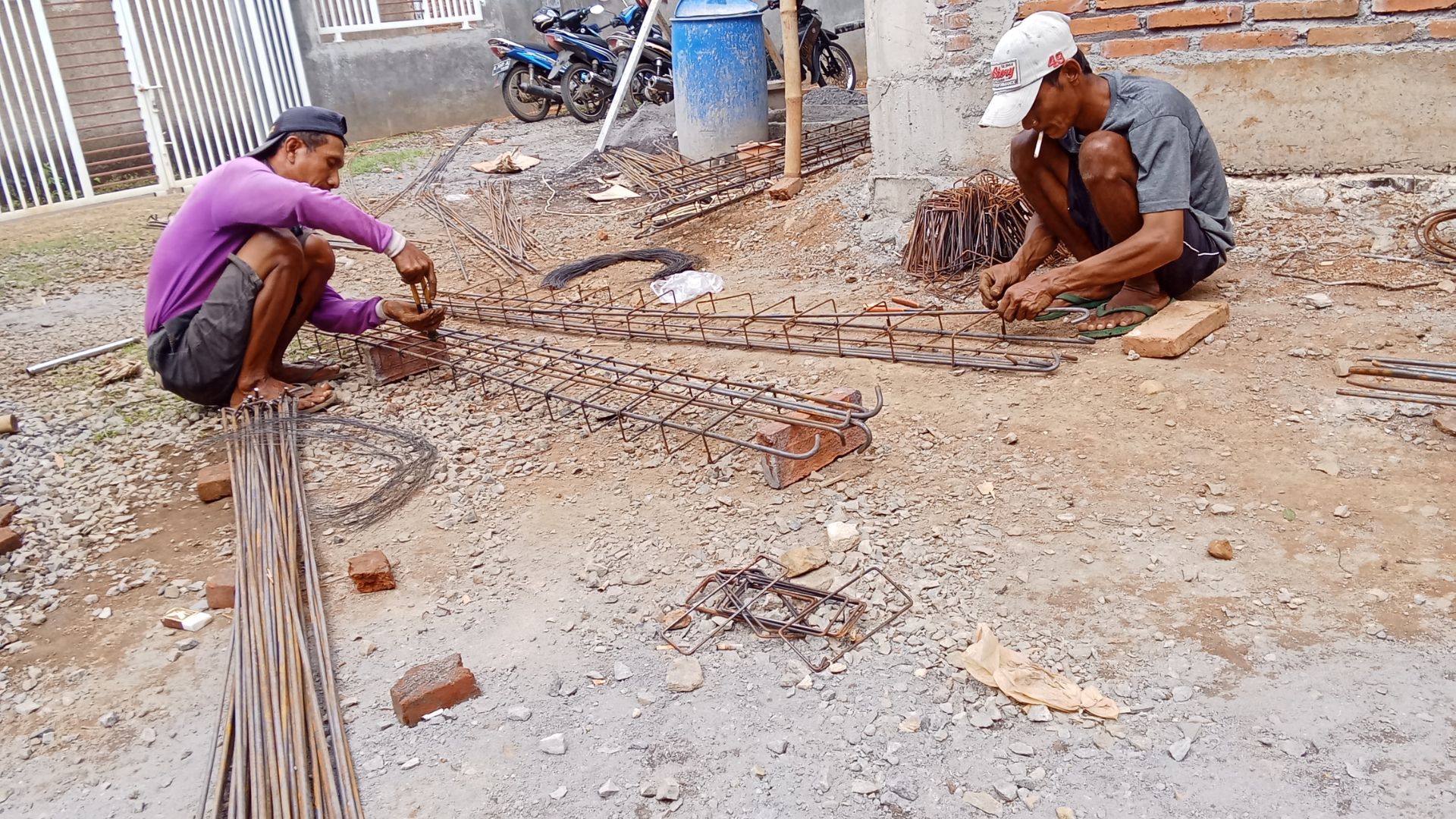
Goa has never been able to sustain itself without migrants managing its essential manual works. While the locals shun manual labour, the influx of workers from other Indian states has sustained Goa’s rapid development and construction boom.
Moreover, the state’s economic model is characterised by high dependency on migrant labour which serves as the backbone for key growth sectors, including tourism, construction, and manufacturing.
For instance, the shortage of skilled workforce at the beginning of the season poses a significant challenge to the operational capacity of the mechanised boat fishing industry.
Now, it is no secret that migrant workers constitute a significant portion of the workers in the marine fisheries sector in Goa.
However, the new fishing season in August 2025 saw a subdued start due to the acute shortage of skilled migrant workers, with many opting to stay back or to southern ports. Experienced workers have been attracted to alternative locations, such as Malpe in Karnataka, due to better remuneration models.
The shortage of migrant labour has indeed become a recurring issue, significantly impacting various sectors of Goa’s economy, particularly in the recent past. This dependency often stemming from the decline in local participation in traditional, manual labour-intensive jobs creates volatility in industries, and various other service sectors.
The dependence on a transient workforce remains a central challenge to the state’s economic stability.
It is rightly averred that migrant workers have always remained at the socio-economic margins of our society, silently serving as the instrumental labour force of urban economics.
If the pandemic brought them into sharp focus then, it is the widening conflict initiated by US-Israeli strikes on Iran that has brought the migrants to the forefront of another ‘humanitarian’ crisis.
The Middle East supply disruptions have not only compelled some companies to slow or stop operations, the acute shortage of cooking gas has further dented chances of migrant continuity in Goa.
The situation has caused significant anxiety among the migrant community with the crisis further accelerating a potential exodus of migrant workers from the state.
Just as it is under pressure to manage the fallout of the West Asia conflict which has prompted fears of a ‘migrant exodus’ of Goans working in the Gulf, the onus is on the state government to ensure that the migrant community which has become an indispensable part of Goa’s industrial and service sector, and overall economy, is protected and integrated, especially during crises of this nature.
Considering the rising crime graph in the state, it is heartening to note that the state government has implemented stringent measures to monitor the influx of migrants and address safety concerns.
But, in a situation where the state’s industrial and service sectors rely heavily on migrants for the smooth functioning of their day-to-day business operations, a balanced approach is essential to sustain economic activity while maintaining security and upholding public safety.
Dedicated law enforcement cells, keeping a strict vigil on the labour colonies that have sprung up over the years around various industrial estates across Goa, could well curb rising concerns over crime and unauthorised settlements.
But, with Goa’s over-reliance on migrant labour being so very obvious, it becomes pertinent to have the government stepping in to take care of their essential needs during such crises.
Comments (0)
Please login to post a comment.
No comments yet. Be the first to comment!