
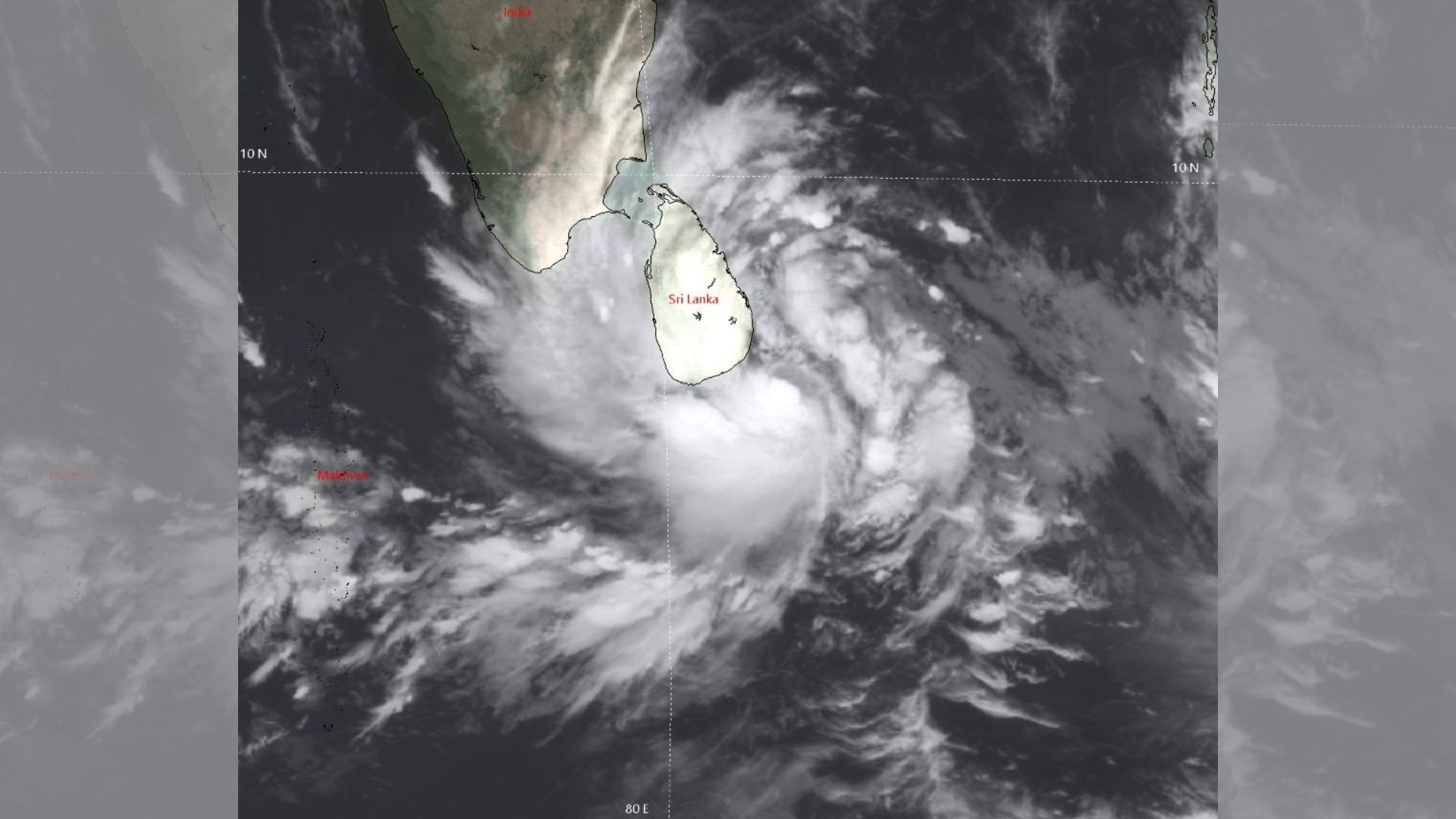
Sri Lanka’s agriculture, fisheries and rural livelihoods have been severely impacted by the recent Cyclone Ditwah, the UN’s Food and Agriculture Organization (FAO) has said.
According to an FAO report released on 22 December, intense flooding triggered by the cyclone destroyed crops, livestock, fisheries infrastructure and food reserves across wide swathes of the country. The storm struck at a crucial point in the farming calendar, just as growers had planted or were preparing to plant the 2026 main season crop, which accounts for most of the nation’s annual agricultural production.
The report estimates that around 2,27,000 farmers suffered significant livelihood losses. More than 106,000 hectares of paddy – Sri Lanka’s staple food crop – were partially or completely damaged, along with major cash crops such as maize, vegetables, onions and green gram.
Damage to the fisheries sector has been valued at between 20.5 bn and 21.5 bn Sri Lankan rupees, reflecting extensive losses to fishing vessels, equipment and inland fisheries.
The disruption has extended to the export sector. An assessment found that exporters in cyclone-affected areas are facing shortages of raw materials, particularly agricultural produce and spices. Businesses in Colombo, Gampaha, Puttalam, Kurunegala and Kandy districts have been hit, with transport disruptions worsening supply constraints.
The government said it is coordinating with relevant agencies to address post-disaster challenges and support recovery efforts.
Cyclone Ditwah made landfall in late November 2025 and was the most severe storm to strike Sri Lanka in a century, triggering floods and landslides across the central highlands and southern regions. The disaster has severely affected agriculture and key export commodities, including spices.
Comments (0)
Please login to post a comment.
No comments yet. Be the first to comment!